Discover
Our Story

There are many variations of passages of Lorem Ipsum available, but the majority have suffered alteration in some form, by injected humour, or randomised words which don't look even slightly believable. If you are going to use a passage of Lorem Ipsum, you need to be sure there isn't anything embarrassing hidden in the middle of text.
Delightful
Experience
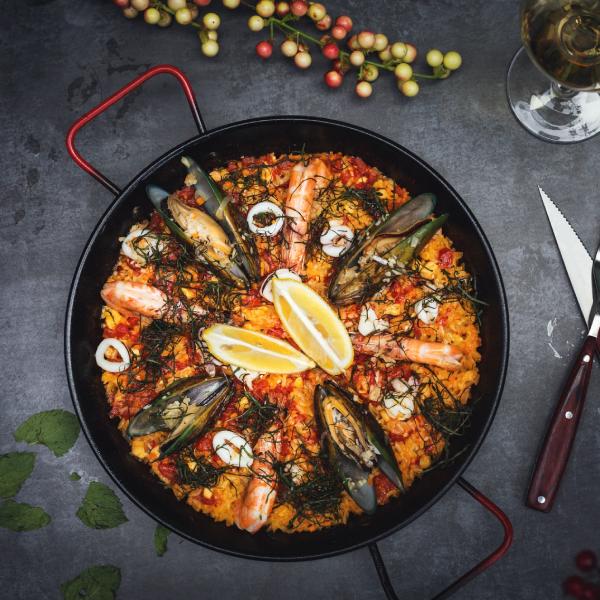
Mushroom Garlic Veggie

Pottato Veggie
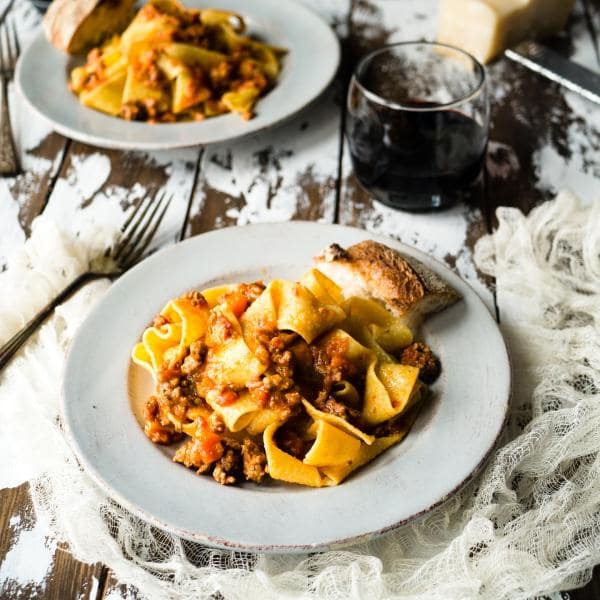
Pottato Veggie

Pork / Veggies / Shoyu
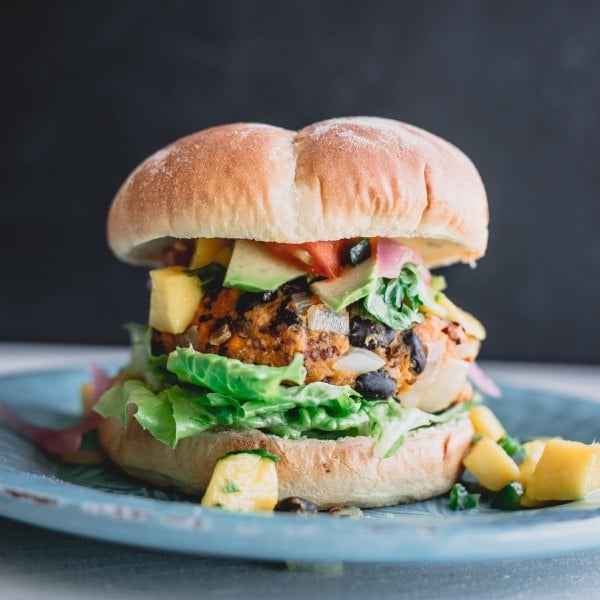
Mushroom Garlic Veggie

Potatoes / Rice
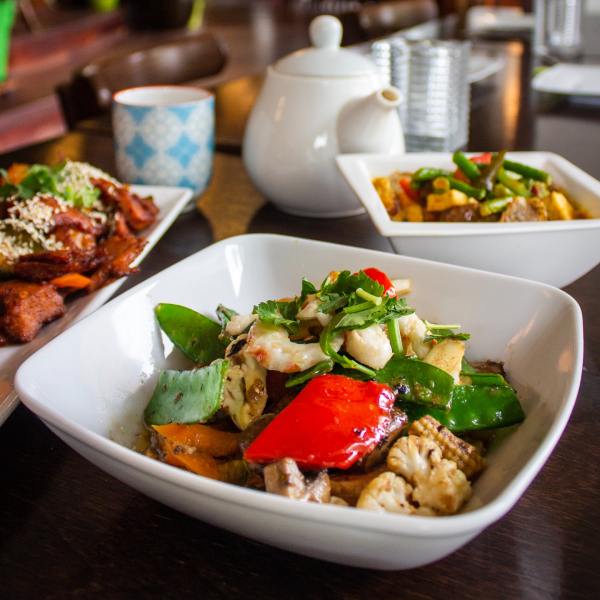
Veggie
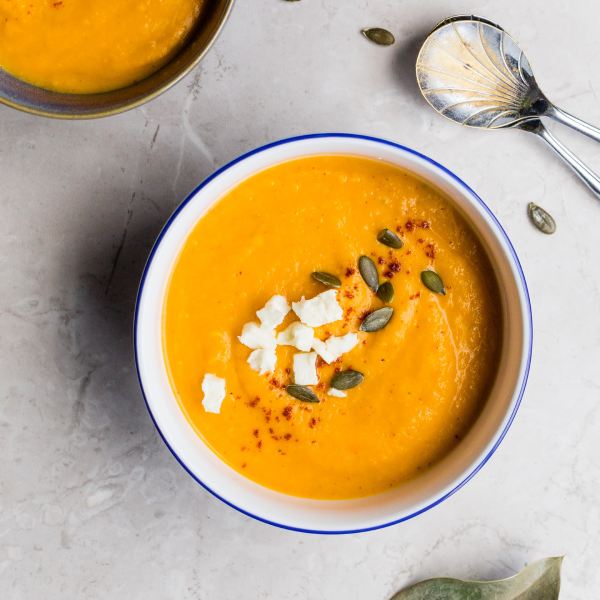
Mango Shoyu
Our Team
Meet Our Professionals
Amazing
Delicious
Checkout
Our Menu
How to Stop Grill Flare-Ups (Before They Stop Your Heart)
A flare-up is that magical moment when your peaceful barbecue suddenly turns into a fire-breathing dragon.
You think you’re cooking burgers; your grill thinks it’s auditioning for a disaster movie. Flare-ups happen when fat drips onto the burners or coals and instantly catches fire.
Simple, annoying, terrifying—and totally preventable.
Most flare-ups come from a few classic mistakes. Sometimes the meat you’re cooking is simply too fatty. A burger with thirty percent fat isn’t really a burger; it’s basically a candle waiting to ignite. Other times you’re grilling on maximum heat as if you’re competing in some kind of speed race. It’s a barbecue, not Formula 1.
Another extremely common cause is a dirty grill. Old grease mixed with new grease is basically an invitation for flames. And then there’s the oil issue: your chicken does not need an olive-oil spa treatment. Too much oil will drip, hit the fire, and explode dramatically.
The best way to save your eyebrows is to use the two-zone setup. Create one area of direct heat for searing and another area of indirect heat for actually finishing the cook without burning everything. When a flare-up starts, just move the food to the indirect side and give it a few seconds. The flames will calm down on their own. No panic necessary.
Keeping your grill clean is a huge part of preventing flare-ups. Preheat the grill, brush the grates, and, most importantly, empty the grease tray. That step alone stops a surprising amount of drama. Trimming excess fat helps too. You don’t need to butcher the meat entirely, but removing the large chunks that drip heavily will make a big difference.
Oil should go on the food, not on the grill. A light coating on the meat is all you need. Pouring oil onto the grates doesn’t “season” anything—it only feeds the fire. And please, stop pressing your meat. When you smash burgers or chicken with a spatula, all you’re doing is squeezing fat onto the flames. Your spatula is not a torture device.
If a flare-up still happens, the solution is simple: move the food away from the flames, close the lid to cut off the oxygen, and wait a few seconds. Don’t pour water on it, and definitely don’t blow on it unless you want a bigger fireball.
For fatty cuts like ribs, chicken thighs, or pork belly, placing a drip pan under the indirect zone keeps everything calm by catching the melting fat before it hits the flames.
And if this guide helped you save your BBQ—and maybe your eyebrows—feel free to buy me a coffee. Totally optional, always appreciated.
And if this guide helped you save your BBQ—and maybe your eyebrows—feel free to buy me a coffee..😊..Totally optional, always appreciated.
10 Grill Mistakes Every Beginner Makes
Grilling sounds easy, right? Throw some meat on the fire, wait a bit, and voilà—deliciousness. Except that most beginners somehow manage to turn it into a small disaster. The truth is, we’ve all been there, and some mistakes are just too classic to avoid.
The first mistake is using too much oil. It seems harmless at first, but when the oil hits the flames, it’s like giving your grill a mini flamethrower. The second is pressing down on the meat. We get it—you want perfect grill marks, but pressing burgers or chicken only squeezes the juices—and fat—straight onto the fire. Instant flare-up. The third, and probably the one you’re guilty of, is cranking the heat to max because higher equals faster, right? Wrong. Cooking at insane temperatures just burns the outside while leaving the inside raw. Not exactly what you want when you’re trying to impress friends or avoid chewing on charcoal.
Another common blunder is forgetting that food takes time. Grilling isn’t a race, and impatient flipping only leads to unevenly cooked meat. Many beginners also neglect the importance of indirect heat. You can’t sear everything on direct flames; sometimes moving food to a cooler spot is the difference between perfectly cooked ribs and a smoky pile of regret. Dirty grates are another sneaky culprit—old residue can stick to your food and even fuel mini explosions if you’re unlucky. And yes, choosing the wrong meat cuts or ignoring trimming fat will also come back to bite you in flames, literally.
Even the smallest things count: seasoning too early, using the wrong tools, not having a proper timer, or forgetting to preheat the grill. Each one may seem minor on its own, but together, they’re a recipe for a stressful, smoky disaster. Beginners often underestimate the power of patience, preparation, and attention to detail.
The good news? All of these mistakes are easy to fix once you know what to look for. Learn to manage heat, trim fat, oil wisely, clean your grill, and embrace the two-zone method. Suddenly, what once felt like a chaotic mess transforms into smooth, predictable cooking, and your confidence skyrockets. You might even start enjoying the process, rather than fearing every sizzle.
If this guide helps you avoid embarrassing or fiery mishaps on your next cookout, and maybe saves a few eyebrows in the process, consider buying me a coffee. Totally optional, but appreciated—especially if your grill survives.
GuestBook
Client Testimonial
Lorem ipsum dolor sit amet, consectetur adipiscing elit, sed do eiusmod tempor incididunt ut labore et dolore magna aliqua. Ut enim ad minim veniam.

Lorem ipsum dolor sit amet, consectetur adipiscing elit, sed do eiusmod tempor incididunt ut labore et dolore magna aliqua. Ut enim ad minim veniam.

Lorem ipsum dolor sit amet, consectetur adipiscing elit, sed do eiusmod tempor incididunt ut labore et dolore magna aliqua. Ut enim ad minim veniam.

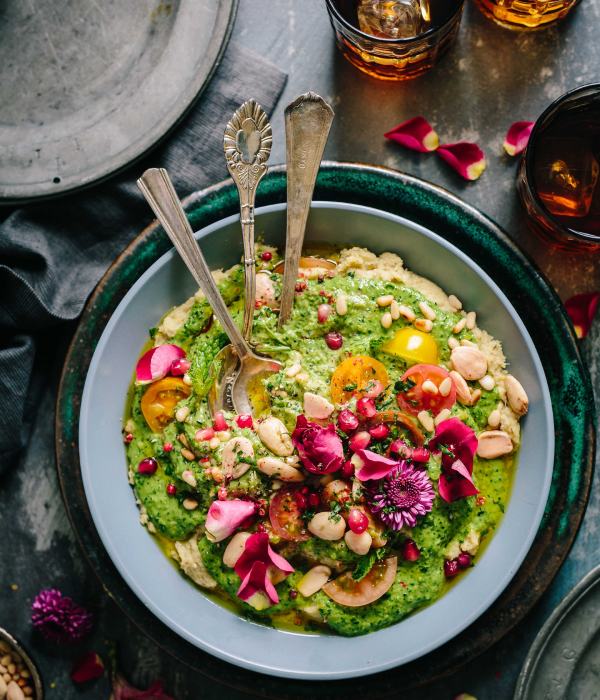
Visit Our
Resturant
There are many variations of passages of Lorem Ipsum available, but the majority have suffered alteration in some form, by injected humour, or randomised words which don't look even slightly believable. If you are going to use a passage of Lorem Ipsum, you need to be sure there isn't anything embarrassing hidden in the middle of text.